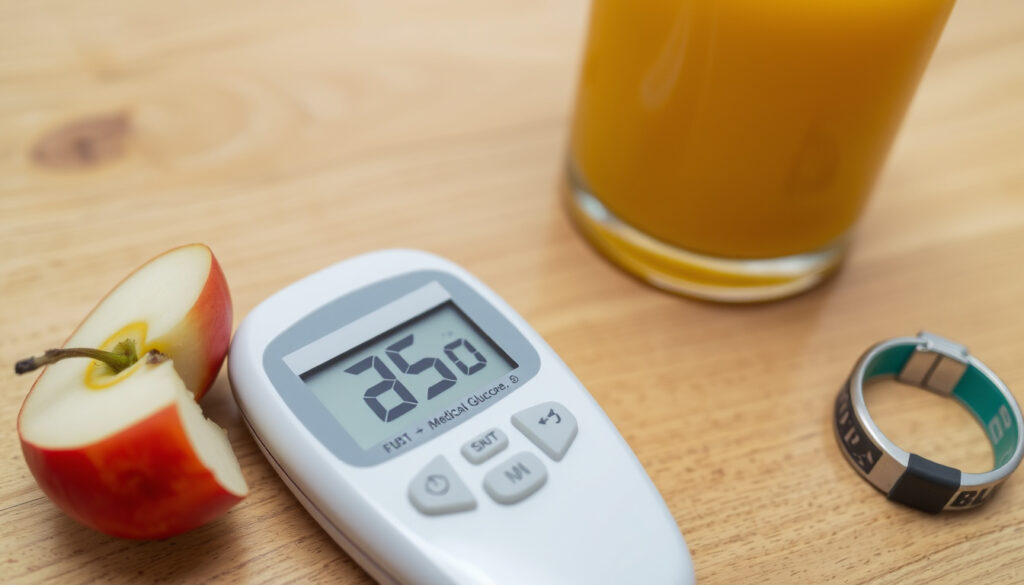
What Causes Low Blood Sugar Without Diabetes? Symptoms & Care
Anyone who’s ever felt suddenly shaky, sweaty, and confused might assume their blood sugar has tanked — and for many, it has. But non-diabetic hypoglycemia is real, though far less common, and often overlooked because its symptoms overlap with anxiety and other conditions.
Non-diabetic hypoglycemia prevalence: Unknown; considered rare in healthy individuals ·
Blood sugar threshold for hypoglycemia: Below 70 mg/dL (3.9 mmol/L) ·
Common cause: reactive hypoglycemia: Occurs 2–4 hours after eating ·
Severe hypoglycemia (medical emergency): Below 54 mg/dL (3.0 mmol/L)
Quick snapshot
- Blood glucose below 70 mg/dL indicates hypoglycemia (NHS (UK national health guidance))
- Alcohol can induce hypoglycemia (nidirect (Northern Ireland health authority))
- The 15-15 rule is standard immediate treatment (StatPearls (NCBI Bookshelf – peer-reviewed clinical resource))
- True prevalence of non-diabetic hypoglycemia in general population (StatPearls)
- Whether pseudo-hypoglycemia has a distinct physiological mechanism (StatPearls)
- Long-term metabolic effects of repeated reactive hypoglycemia (Medical News Today)
- Whether reactive hypoglycemia always occurs 2–4 hours post‑meal in all individuals (nidirect)
- Blood sugar below 70 mg/dL is the clinical alert threshold (BMJ Best Practice (clinical guidelines))
- Reactive hypoglycemia occurs 2–4 hours post-meal (nidirect)
- Alcohol-related hypoglycemia risk window: 12–72 hours after heavy drinking (NHS)
- If symptoms persist, seek medical evaluation for underlying cause (NHS)
- Dietary changes and small frequent meals are first-line management (Medical News Today (health media))
- Glucagon kits are rarely needed for non-diabetics (StatPearls)
The table below summarizes the key facts about non‑diabetic hypoglycemia.
| Label | Value |
|---|---|
| Definition | Low blood sugar (hypoglycemia) in non-diabetics |
| Diagnostic threshold | 70 mg/dL (3.9 mmol/L) or lower |
| Severe threshold | 54 mg/dL (3.0 mmol/L) |
| Primary organs affected | Brain and autonomic nervous system |
| Most common cause | Reactive hypoglycemia |
| 1st-line treatment | 15 grams fast-acting glucose (glucose tablets, juice, regular soda) |
| Prognosis with treatment | Excellent once cause is identified and addressed |
Can Your Blood Sugar Get Low Without Being Diabetic?
Defining hypoglycemia thresholds
Non-diabetic hypoglycemia is uncommon compared with hypoglycemia in people with diabetes, and evaluation should focus on identifying the underlying cause (StatPearls – peer-reviewed clinical resource). The clinical threshold is the same regardless of diabetes status: blood glucose below 70 mg/dL (3.9 mmol/L) constitutes hypoglycemia (NHS – UK national health guidance).
Rarity and prevalence in non-diabetics
True non-diabetic hypoglycemia is rare. Most people who experience low blood sugar have diabetes and are using insulin or sulfonylureas. For those without diabetes, the condition is often overlooked in clinical settings because its symptoms — shakiness, sweating, confusion — mimic anxiety disorders and hyperthyroidism. The StatPearls review notes that evaluation is important because undiagnosed insulinoma, adrenal insufficiency, or other serious conditions may be the root cause (StatPearls).
A patient with unexplained hypoglycemic symptoms who does not have diabetes may be dismissed as anxious — but the metabolic workup can reveal a treatable tumor or hormone deficiency that, if missed, carries real neurological risk.
The implication: clinicians should not dismiss hypoglycemic symptoms in non-diabetic patients; a low threshold for testing can uncover an otherwise hidden cause.
Why Is My Blood Sugar Low but I Don’t Have Diabetes?
Reactive hypoglycemia mechanism
Reactive hypoglycemia is a post-meal pattern of low blood sugar that occurs within 2–4 hours after eating, especially after a high-carbohydrate or sugar-rich meal (nidirect – Northern Ireland health authority). Potential triggers include prediabetes, hyperinsulinism, prior digestive surgery, and enzyme deficiencies (Study.com – educational platform). Medical News Today notes that reactive hypoglycemia can be an early sign of prediabetes and may increase the risk of developing type 2 diabetes (Medical News Today – health media).
Medication-induced hypoglycemia
Certain medications can cause low blood sugar even in people without diabetes. StatPearls lists iatrogenic insulin-mediated causes from exogenous insulin or insulin secretagogues such as sulfonylureas and glinides (StatPearls). Other drugs include quinine, salicylates, and beta-blockers (nidirect). Dr. M. Regina Castro of the Mayo Clinic emphasizes that medication review is a critical step in the evaluation of non-diabetic hypoglycemia.
Alcohol-related hypoglycemia
Heavy alcohol use, especially without food, can trigger hypoglycemia for up to 72 hours. The NHS and nidirect both list binge drinking as a cause. Alcohol impairs gluconeogenesis in the liver, and combined with poor food intake, blood glucose can drop to dangerous levels (NHS). For a broader understanding of alcohol’s impact, see our guide on Alcohol Withdrawal Syndrome Symptoms: Timeline & Signs.
Critical illnesses (liver, kidney, pancreatic tumors)
Insulin-independent causes include alcohol, liver or renal failure, critical illness, adrenal failure, pituitary failure, severe sepsis, anorexia nervosa, glycogen storage disease, post-bariatric surgery, mesenchymal tumors with elevated IGF-2, and autoimmune hypoglycemia (StatPearls). Insulinomas — insulin-producing tumors of the pancreas — are a rare but classic cause of fasting hypoglycemia (NHS).
A comparison of the major cause categories reveals a key pattern: insulin-mediated causes (excess insulin) require a different diagnostic pathway than insulin-independent causes (organ failure, drugs, or alcohol).
| Cause category | Examples | Mechanism | Sources |
|---|---|---|---|
| Insulin-mediated (endogenous) | Insulinoma, islet cell hyperplasia (nesidioblastosis) | Excess insulin secretion | StatPearls |
| Insulin-mediated (exogenous) | Sulfonylureas, glinides, insulin misuse | Drug-induced hyperinsulinemia | StatPearls |
| Insulin-independent | Alcohol, liver/kidney failure, critical illness, adrenal insufficiency, tumors producing IGF-2 | Increased glucose utilization, decreased production, or hormonal deficiency | NHS, nidirect |
What this means: if you have low blood sugar but no diabetes, your doctor should first check for medication use and alcohol history, then consider rarer causes like insulinoma or adrenal failure. Each pathway leads to a different treatment plan.
What Are 5 Signs Your Blood Sugar Is Too Low?
Autonomic symptoms (shaking, sweating, rapid heart rate)
Common early signs include shakiness, sweating, hunger, and fast heartbeat. The autonomic nervous system triggers counter-regulatory hormones like epinephrine, which cause these symptoms (BMJ Best Practice – clinical guidelines). nidirect lists nausea, confusion, tremor, sweating, palpitations, and hunger among the key symptoms (nidirect).
Neurological symptoms (confusion, irritability, blurred vision)
As glucose drops further, cognitive changes such as confusion, difficulty speaking, and blurred vision indicate moderate hypoglycemia. The brain is the most vulnerable organ because it relies on a constant glucose supply (StatPearls).
Severe signs (seizures, unconsciousness)
Severe hypoglycemia — defined as below 54 mg/dL (3.0 mmol/L) — can lead to seizures, loss of consciousness, and coma. This is a medical emergency regardless of diabetes status (NHS).
A non-diabetic person who ignores repeated shakiness and confusion may delay a diagnosis of insulinoma or adrenal insufficiency — both treatable conditions that become life-threatening if missed.
The pattern: autonomic symptoms are an early warning; neuroglycopenic symptoms indicate the brain is starved. Anyone experiencing confusion or difficulty speaking should have their blood glucose measured immediately.
What Is Commonly Mistaken for Low Blood Sugar?
Anxiety and panic disorder
Panic attacks produce autonomic symptoms — tremor, sweating, palpitations — that closely mimic hypoglycemia. The key distinction is that blood glucose remains normal during a panic attack, and symptoms resolve without food intake (BMJ Best Practice).
Thyroid dysfunction (hyperthyroidism)
Hyperthyroidism accelerates metabolism, causing hunger, shakiness, and weight loss — symptoms that can be confused with reactive hypoglycemia. A simple thyroid function test can differentiate.
Pseudo-hypoglycemia
Pseudo-hypoglycemia occurs when a person has typical hypoglycemic symptoms but their measured blood glucose is normal. The condition is poorly understood — some researchers believe it may involve altered glucose transport or stress response, but no distinct physiological mechanism has been confirmed (StatPearls notes it as an unclear category).
The trade-off: treating a patient for anxiety when they actually have reactive hypoglycemia means they miss dietary interventions that could prevent future episodes. Conversely, assuming every shakiness episode is low blood sugar may lead to unnecessary eating and weight gain.
How Do You Treat Hypoglycemia in Non Diabetics?
Immediate treatment: 15-15 rule
The standard immediate treatment is 15 grams of fast-acting glucose — such as glucose tablets, half a cup of juice, or regular soda — followed by a 15-minute wait. If blood sugar remains low or symptoms persist, repeat the dose (NHS, StatPearls). After correction, eat a small meal with protein and complex carbohydrates to stabilize glucose.
Long-term management: dietary adjustments
For reactive hypoglycemia, dietary changes are the mainstay: small frequent meals, low-glycemic index foods, and avoidance of high-sugar or refined-carbohydrate meals. Protein and healthy fats slow glucose absorption (Medical News Today).
Medical workup to identify underlying cause
If episodes recur, a medical evaluation should include fasting glucose, insulin, and C-peptide tests to distinguish insulin-mediated from non-insulin-mediated causes. Additional testing may include a 72-hour fast, imaging for insulinoma, and adrenal function tests (BMJ Best Practice).
The steps, in order:
- If symptoms occur and you can test blood glucose, confirm low sugar (<70 mg/dL).
- Consume 15g fast-acting glucose; wait 15 minutes; retest if possible.
- If no improvement, repeat or seek emergency care.
- Once stable, schedule a medical workup to identify the root cause.
- Implement dietary changes: small meals, protein, low-GI carbs.
- Adjust medications (under medical supervision) if drug-induced.
Following these steps can help manage hypoglycemia effectively while identifying the root cause.
What Organ Is Affected by Low Blood Sugar?
Brain (neuroglycopenic effects)
The brain is the most vulnerable organ because it requires a constant glucose supply and cannot store substantial amounts of glycogen. Neuroglycopenic symptoms include confusion, seizure, and loss of consciousness (StatPearls).
Autonomic nervous system response
When blood glucose falls, the autonomic nervous system triggers counter-regulatory hormones — glucagon, epinephrine, cortisol, growth hormone — to raise glucose. Epinephrine causes the classic shaking, sweating, and racing heart. If these counter-regulatory responses fail or are blunted (e.g., after recurrent hypoglycemia), the risk of severe neuroglycopenia increases (BMJ Best Practice).
The consequence: repeated hypoglycemic episodes can impair the brain’s ability to detect low glucose, leading to hypoglycemia unawareness — a dangerous cycle. For non-diabetics, this is rare but underscores why identifying the cause matters.
Confirmed facts
- Blood glucose below 70 mg/dL indicates hypoglycemia (NHS)
- Insulinomas cause fasting hypoglycemia (StatPearls)
- Alcohol can induce hypoglycemia (nidirect)
- The 15-15 rule is standard immediate treatment (NHS)
What’s unclear
- True prevalence of non-diabetic hypoglycemia in general population (StatPearls notes data gaps)
- Whether pseudo-hypoglycemia has a distinct physiological mechanism
- Long-term metabolic effects of repeated reactive hypoglycemia (Medical News Today)
- Whether reactive hypoglycemia occurs at a consistent post‑meal window in all individuals
Non-diabetic hypoglycemia is uncommon compared with hypoglycemia in people with diabetes, and evaluation should focus on identifying the underlying cause.
— StatPearls (NCBI Bookshelf – peer-reviewed clinical resource)
Low blood sugar is rare in people without diabetes and may be caused by malnutrition, Addison’s disease, or a pancreatic tumor.
— NHS (UK national health guidance)
Documenting blood glucose below 60 mg/dL with accompanying symptoms is crucial for diagnosing clinically significant hypoglycemia.
— BMJ Best Practice (clinical guidelines)
For anyone without diabetes who experiences repeated shakiness, confusion, or other hypoglycemic symptoms, the message is clear: get tested, get a cause, and get treatment. The brain cannot wait for a “maybe.” Missing an insulinoma or adrenal crisis is a risk no one should take. For patients and clinicians alike, the choice is straightforward: investigate the low blood sugar, or risk overlooking a treatable underlying disease.
Related reading: Pain on Left Side of Stomach – Causes, Symptoms and When to Worry · Alcohol Withdrawal Syndrome Symptoms: Timeline & Signs
Frequently asked questions
What does pseudo-hypoglycemia mean?
Pseudo-hypoglycemia is when a person has hypoglycemic symptoms but their measured blood glucose is normal.
Is low blood sugar dangerous if I don’t have diabetes?
Yes. Severe hypoglycemia can cause confusion, seizures, and loss of consciousness regardless of diabetes status.
What foods should I eat if I have reactive hypoglycemia?
Small, frequent meals with protein, healthy fats, and low-glycemic carbohydrates. Avoid high-sugar foods and refined carbs.
Can stress cause low blood sugar?
Chronic stress may affect insulin sensitivity, but acute stress typically raises blood sugar. Stress can mimic symptoms of hypoglycemia.
Does everyone with hypoglycemia need a glucagon kit?
Typically no. Glucagon kits are prescribed for people with diabetes at risk of severe hypoglycemia. Consult a doctor for individual risk assessment.
More related posts
 Greek God of War: Ares, Athena, and Both Sides
 Chinese Research Vessel Detected Alaska – Timeline, Concerns, US Response
 What is an Undergraduate? Definition, Comparison, and Examples
 Nike Air Max 97 – History, Colorways and Buying Guide
 Brandon Sklenar Movies and TV Shows: Complete Filmography (2025)
 How Tall is Timothée Chalamet? 5’10” (178 cm) Facts
 Women in STEM Fields: Meaning, Importance, and Inspiring Pioneers
 Nice to Meet You: Greeting Etiquette & Myles Smith Song Meaning
