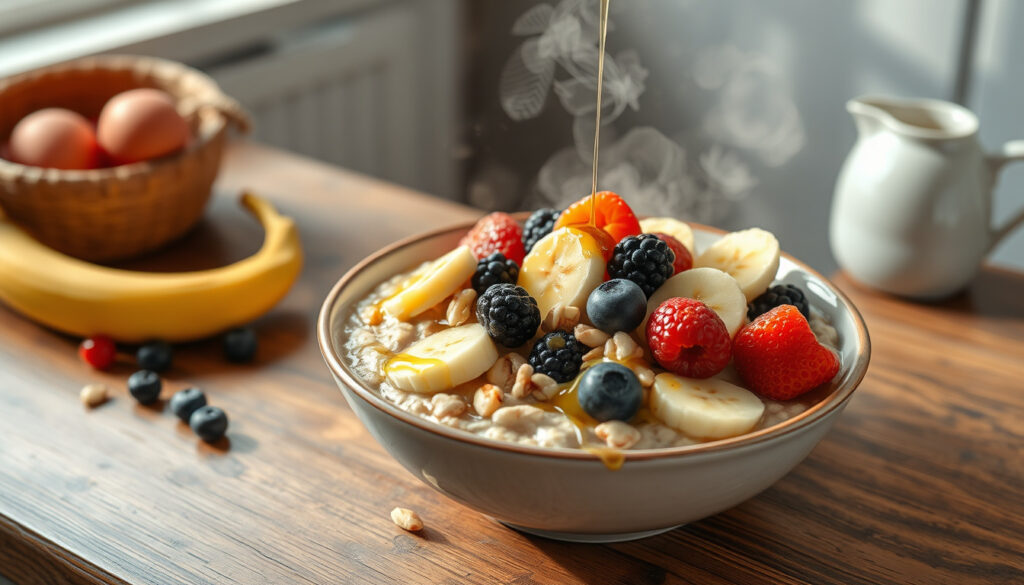
How to Make Oatmeal – Easy Recipes and Perfect Tips
How to Make Oatmeal: Easy Recipes and Perfect Tips
Oatmeal remains one of the most versatile and nutritious breakfast options available, offering a canvas for countless flavors while delivering essential fiber and whole-grain benefits. Whether prepared on the stovetop, microwaved in minutes, or assembled the night before for grab-and-go convenience, mastering oatmeal opens doors to satisfying morning meals that fuel the day ahead.
Understanding the fundamentals—proper ratios, cooking times, and textural preferences—transforms this humble grain from ordinary to exceptional. The difference between gummy and creamy often lies in technique rather than ingredients, making oatmeal an accessible skill for cooks at every level.
This guide covers every major preparation method, from classic stovetop simmering to modern overnight soaking, alongside practical tips for achieving the perfect consistency every time. With options ranging from 90-second breakfasts to prep-ahead jars, oatmeal fits into any morning routine.
How to Cook Oatmeal on the Stove
The stovetop method produces consistently excellent results and serves as the foundation for understanding oatmeal’s behavior. Rolled oats, also called old-fashioned oats, provide the best texture for stovetop cooking after being steamed and flattened during processing.
Oatmeal Cooking Methods at a Glance
| Method | Stovetop | Microwave | Overnight |
|---|---|---|---|
| Time | 5-7 minutes | 90 seconds – 2 minutes | 0 minutes cook |
| Effort | Active stirring | Minimal attention | Mix and wait |
| Equipment | Saucepan | Microwave-safe bowl | Jar or container |
| Best For | Traditional texture | Quick weekday mornings | Meal prep, busy schedules |
Key Insights for Perfect Oatmeal
- Maintain a 1:1 oats-to-liquid ratio for stovetop and microwave cooking; increase to 1:2 for overnight oats to accommodate soaking absorption
- Stir occasionally during cooking to prevent sticking and achieve even texture throughout
- Allow cooked oatmeal to rest 2-3 minutes off heat before serving, as it continues to thicken
- Add chia seeds (1 tablespoon per half cup of oats) to thicken mixtures naturally while boosting fiber content
- Thin overly thick batches with additional milk rather than water for continued richness
- Fresh fruit toppings taste better added day-of, as prolonged sitting causes sogginess
Oat Types and Their Characteristics
| Oat Type | Processing Method | Cook Time | Water Ratio | Resulting Texture |
|---|---|---|---|---|
| Rolled Oats | Steamed and flattened | 5 minutes stovetop | 1:2 (oats to liquid) | Creamy, tender |
| Steel-Cut Oats | Chopped whole groats | 20-30 minutes stovetop | 1:3 (oats to liquid) | Chewy, hearty |
| Quick Oats | Finely rolled and processed | 1-2 minutes | 1:1.5 (oats to liquid) | Soft, mushy |
| Scottish Oats | Stone-ground groats | 5-10 minutes stovetop | 1:2.5 (oats to liquid) | Smooth, porridge-like |
Rolled oats are the most forgiving option for newcomers. They work across all cooking methods and deliver reliable results without specialized technique. Starting with rolled oats builds foundational understanding before experimenting with other varieties.
Microwave Oatmeal for Quick Breakfasts
The microwave method delivers satisfying oatmeal in under two minutes, making it ideal for hectic weekday mornings. This approach preserves nutrients that longer cooking might reduce while producing a texture ranging from chewy to creamy depending on timing.
Simple Microwave Oatmeal Recipe
Combine half a cup of rolled oats with half a cup of milk in a microwave-safe bowl. Add a quarter teaspoon of cinnamon, one teaspoon of vanilla extract, and a pinch of salt. Mix thoroughly before microwaving on high for 90 seconds for a chewier result or two minutes for softer texture. Let the mixture sit for one minute after cooking, then stir before serving.
Those seeking higher fiber content can add one tablespoon of chia seeds to the mixture before microwaving. This version requires approximately two minutes of cooking time due to the added thickness. Using a larger bowl helps prevent overflow during the heating process.
Microwave Cooking Times by Texture
- 90 seconds: Chewy, slightly firm texture ideal for those who prefer bite
- 2 minutes: Soft, creamy texture suitable for most preferences
- 2-5 minutes: Very soft texture; watch carefully to prevent boiling over
Oatmeal can bubble up rapidly during microwave cooking. Using a bowl with at least twice the volume of the ingredients prevents messy overflow. Choosing an appropriately sized vessel ensures safe and stress-free preparation.
How to Make Overnight Oats
Overnight oats require no cooking, relying instead on refrigeration time to transform raw oats into a ready-to-eat breakfast. This method suits meal prep enthusiasts and those who prefer cold breakfasts or want to minimize morning preparation time.
Basic Overnight Oats Formula
The simplest version requires just two ingredients: rolled oats and milk in a 1:2 ratio. For one serving, combine half a cup of rolled oats with half to one cup of milk in a jar or container with a secure lid. Stir well to ensure all oats are submerged in the liquid, then refrigerate for at least two hours, though overnight soaking produces optimal results.
Enhanced Creamy Overnight Oats
For a richer, thicker consistency, incorporate additional ingredients into the base mixture:
- Half a cup of rolled oats
- Half a cup of milk
- Quarter cup of Greek yogurt
- One tablespoon of chia seeds
- One teaspoon of vanilla extract
This combination creates a pudding-like texture that many prefer over traditional cooked oatmeal. Stored properly in the refrigerator, overnight oats keep for three to five days, making batch preparation a practical option.
Customization Options
Flavor variations abound with overnight oats. Adding a quarter teaspoon of cinnamon provides warm spice, while maple syrup or honey offers sweetness. Those preferring a smoother texture can blend the mixture before refrigerating. Fresh fruit toppings—banana slices or berries—taste best added the morning of consumption rather than the night before to maintain proper texture.
If the mixture becomes too thick after several days of refrigeration, stir in additional milk to reach desired consistency. The oats continue absorbing liquid during storage, so adjustments are normal and expected.
Tips for Creamy and Perfect Oatmeal
Achieving consistently creamy oatmeal depends on understanding how ingredients and technique interact. Several factors influence the final texture, from liquid choices to thickening agents.
Secrets to Optimal Creaminess
Using milk instead of water yields noticeably richer results. Higher-fat milk varieties—whole milk or coconut milk—produce the creamiest texture, though almond milk and other alternatives work well for those avoiding dairy. Combining water and milk offers a middle ground for those seeking lighter results.
Chia seeds and Greek yogurt serve dual purposes: they thicken the mixture while adding nutritional value. One tablespoon of chia seeds per half cup of oats creates substantial thickening without altering flavor. Quarter cup of Greek yogurt adds protein and contributes to a smooth, pudding-like consistency.
Best Oatmeal Toppings
Toppings transform plain oatmeal into exciting meals:
- Fresh fruit: Banana slices, fresh berries, diced apples
- Crunch elements: Granola, chopped nuts, toasted seeds
- Fats and sweeteners: One to two tablespoons of nut butter, maple syrup, or honey
- Protein boosters: Greek yogurt stirred in, protein powder mixed
- Spices: Cinnamon, nutmeg, cardamom
Common Troubleshooting
| Problem | Solution |
|---|---|
| Oatmeal too thick | Add more milk, one tablespoon at a time |
| Oatmeal too thin | Add chia seeds or let sit longer to thicken |
| Microwave overflow | Use larger bowl, reduce power, or extend time with less intensity |
| Gummy texture | Avoid quick oats; use rolled oats instead |
| Sticking to pan | Stir more frequently, use non-stick cookware |
Oatmeal Nutrition and Oat Types
Oatmeal provides significant nutritional benefits, primarily through its content of beta-glucan, a soluble fiber with proven health effects. The American Heart Association highlights oats as part of a heart-healthy eating pattern.
Nutritional Profile Per Serving
A standard serving consists of half a cup of dry rolled oats prepared with half a cup of milk. This combination provides approximately 250-350 calories, five to eight grams of fiber, and ten to fifteen grams of protein when yogurt is included. The exact numbers vary based on milk choice and additional ingredients.
Health Benefits of Oatmeal
Beta-glucan fiber in oats supports heart health by helping reduce cholesterol levels. This same fiber promotes feelings of fullness and helps regulate blood sugar levels, making oatmeal particularly valuable for those managing weight or blood sugar concerns. Cooking methods that avoid excessive heat—such as overnight soaking or brief microwave heating—help preserve these sensitive nutrients.
Adding chia seeds contributes omega-3 fatty acids and additional fiber, supporting digestive health and providing anti-inflammatory benefits. Combined with oats, these toppings create a nutritionally dense meal that sustains energy throughout the morning.
Rolled Oats Versus Steel-Cut Oats
Steel-cut oats consist of whole oat groats chopped into pieces, requiring twenty to thirty minutes of stovetop cooking. The result offers a chewier, nuttier texture compared to rolled oats. Steel-cut oats contain the highest concentration of beta-glucan fiber, though rolled oats remain more practical for everyday use due to their shorter cooking time.
Quick oats undergo more processing, being finely rolled for faster cooking. While convenient, this processing compromises texture, often resulting in mushy oatmeal. Those prioritizing quality should choose rolled oats regardless of cooking method.
Steel-cut oats retain the most intact fiber due to minimal processing, but all oat varieties provide meaningful nutrition. USDA nutrition databases confirm that rolled and steel-cut oats offer similar core benefits, with texture and convenience being the primary differentiators for most consumers.
From Prep to Plate: A Cooking Timeline
Understanding the time commitment for each method helps plan morning routines effectively.
Stovetop Method Timeline
- 0:00: Gather ingredients (½ cup rolled oats, 1 cup milk)
- 0:02: Combine oats and milk in saucepan, begin heating
- 0:05: Bring to simmer, reduce heat
- 0:10: Stir occasionally while simmering for five minutes
- 0:12: Remove from heat, rest two minutes
- 0:14: Add toppings, serve immediately
Microwave Method Timeline
- 0:00: Combine ingredients in microwave-safe bowl
- 0:01: Microwave on high for 90 seconds to 2 minutes
- 0:03: Rest one minute, stir
- 0:04: Add toppings, enjoy
Overnight Oats Timeline
- Night before: Mix oats and milk in jar (2 minutes)
- Refrigerate: 2-12 hours (no active time required)
- Morning: Add fresh toppings, eat cold or warm in microwave 60-90 seconds
What Science Says Versus Common Beliefs
Several persistent myths surround oatmeal preparation and nutrition. Distinguishing fact from fiction helps home cooks make informed decisions.
Established Information
- Oats contain beta-glucan fiber with demonstrated cholesterol-lowering effects
- Rolled oats produce superior texture compared to quick oats in most preparations
- Milk produces creamier results than water alone
- Proper ratios—1:1 for cooked, 1:2 for overnight—consistently yield best results
- Overnight soaking does not compromise nutritional value
- Chia seeds effectively thicken oatmeal while adding fiber and omega-3s
Information That Remains Unclear
- Whether any single cooking method preserves nutrients significantly better than others for practical purposes
- The optimal soaking duration for overnight oats—suggestions range from two to twelve hours
- Whether reheating overnight oats affects their nutritional profile in meaningful ways
Research consistently supports oats’ health benefits, though specific questions about optimal preparation methods remain subjects of ongoing study. USDA nutrition resources provide reliable baseline data while acknowledging areas where individual preferences may outweigh slight nutritional differences.
The Role of Oatmeal in a Balanced Diet
Oatmeal fits comfortably within established dietary guidelines emphasizing whole grains and fiber-rich foods. Its versatility allows adaptation across various eating patterns, from omnivorous to plant-based diets.
The combination of soluble fiber from oats and optional omega-3s from chia seeds creates a nutrient-dense foundation that supports digestive health and sustained energy release. Customization through toppings lets individuals adjust protein, fat, and carbohydrate content based on their specific needs and preferences.
For those exploring other breakfast options, oatmeal’s preparation principles—proper ratios, attention to texture, and thoughtful toppings—translate to related dishes like porridge variations or grain-based morning meals. Applying similar techniques to Cacio e Pepe Recipe shows how understanding fundamentals elevates any dish, while exploring Purina Pro Plan Sensitive Skin and Stomach demonstrates how tailored nutrition matters for specific needs.
Expert Perspectives on Oatmeal
Registered dietitians consistently highlight oatmeal as a nutritious breakfast foundation. The emphasis on fiber content supports digestive health, while the versatility of preparation methods accommodates diverse lifestyles and preferences.
Oatmeal provides sustained energy through complex carbohydrates and keeps you feeling full thanks to its fiber content. The key is building it with protein and healthy fats to create a balanced meal.
Culinary professionals note that technique matters more than specialized equipment. A simple saucepan or microwave-safe bowl produces excellent results with proper ratios and attention to timing.
Experienced cooks recommend experimenting with ratios to find personal preferences. Slight adjustments to liquid amounts can dramatically alter texture without compromising the nutritional value of the base ingredients.
Summary and Next Steps
Mastering oatmeal requires understanding three core elements: oat types and their characteristics, appropriate liquid ratios for each cooking method, and techniques for achieving desired texture. Stovetop cooking delivers traditional results in about ten minutes total. Microwave preparation provides comparable outcomes in under two minutes. Overnight soaking offers convenience for those preferring cold breakfasts or meal-prep solutions.
For those ready to expand their grain-based cooking skills, exploring additional recipes like Cacio e Pepe Recipe demonstrates how pasta techniques translate to other dishes, while understanding Purina Pro Plan Sensitive Skin and Stomach highlights the importance of tailored nutrition for specific needs—both concepts that apply broadly to thoughtful cooking approaches.
Frequently Asked Questions
What is the best ratio of oats to water?
Use a 1:1 ratio for stovetop or microwave cooked oats and increase to 1:2 for overnight oats. Adjust based on desired thickness—more liquid creates thinner oatmeal, while less liquid produces thicker results.
How long does it take to cook oatmeal?
Stovetop oatmeal requires approximately 5-7 minutes of cooking plus prep time. Microwave oatmeal cooks in 90 seconds to 2 minutes. Overnight oats require no cooking but need at least 2 hours of refrigeration.
Are rolled oats better than steel-cut oats?
Rolled oats offer faster cooking and more versatile texture across methods. Steel-cut oats provide slightly higher fiber content and a chewier texture but require significantly more cooking time. Both are nutritious choices.
Can I make overnight oats without milk?
Yes, substitute milk with alternative liquids such as almond milk, coconut milk, or even juice. The 1:2 ratio remains important, and results may vary slightly in creaminess compared to dairy milk.
Why is my oatmeal always mushy?
Mushy oatmeal typically results from using quick oats or overcooking. Switch to rolled oats and reduce cooking time. Also ensure proper ratios—too much liquid relative to oats creates a thin, mushy texture.
How do I make oatmeal thicker?
Add chia seeds, reduce liquid ratio, stir in Greek yogurt, or let the cooked oatmeal rest a few minutes before serving. These methods thicken without diluting flavor.
Is oatmeal actually healthy?
Yes, oatmeal provides beta-glucan fiber that supports heart health and blood sugar regulation. A balanced breakfast including oatmeal, milk, and toppings like nuts or fruit delivers meaningful nutrition.
Can I microwave overnight oats in the morning?
Yes, overnight oats can be warmed in the microwave for 60-90 seconds if you prefer warm breakfast. Stir well and add additional milk if the mixture has thickened significantly during refrigeration.
More related posts
 Hughes Federal Credit Union: Phone, Address, Auto Loan & More
 Bank Jobs Near Me – Dallas Salaries, Openings and Requirements
 Cruz Azul vs Club América Lineups: Preview & Prediction
 Detroit Lions vs Minnesota Vikings Stats: Head-to-Head & Analysis
 What Does Pepto Bismol Do – Uses, How It Works, Side Effects
 Demon Slayer Infinity Castle Arc: Release Date & Movie Trilogy
 How to Shave Down There: A Complete Guide for Men and Women
 39 Celsius to Fahrenheit (102.2°F): High Grade Fever Guide
